
 English
 Español
 عربى
عربى

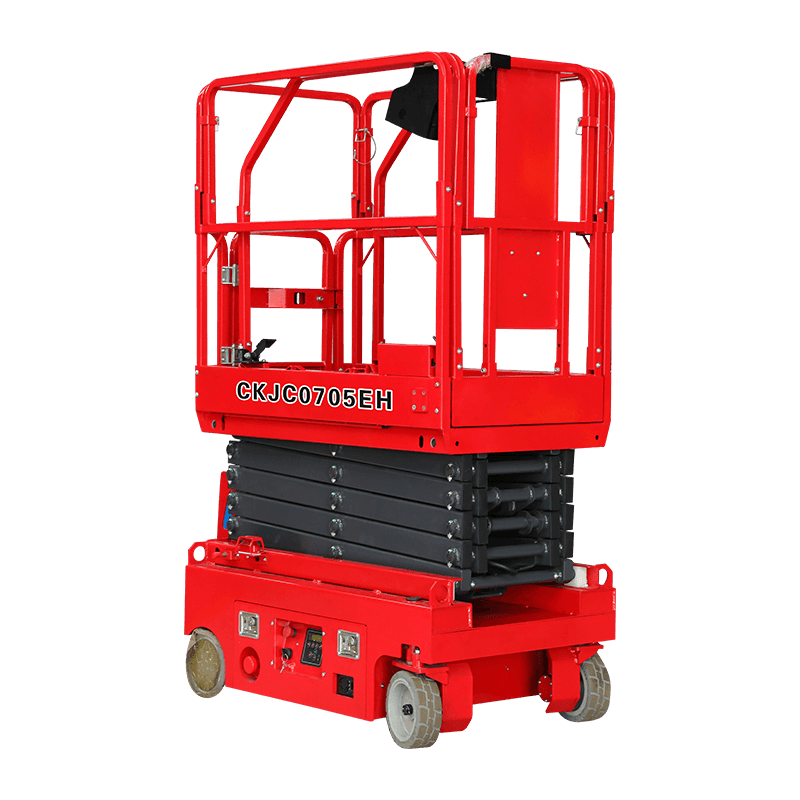
CKJC0503Y CKJC0604Y CKJC0705Y CKJC0806Y CKJC1008Y CKJC1210Y CKJC1412Y CKJC1614Y Semi Electric Scissor Lift Platform
Semi-electric scissor lifts platform are lighter and smaller in size, making it easier for workers to lift or lower the ...

Content
Construction managers and procurement officers face a critical decision when selecting aerial access equipment. Electric work platform lifts have become the standard for indoor operations and environmentally sensitive job sites. This guide provides engineering-level analysis to support your equipment investment decisions.
An electric work platform lift uses battery-powered electric motors to raise personnel and materials to elevated work areas. These machines eliminate exhaust emissions and reduce noise pollution compared to diesel or dual-fuel alternatives. Most units operate on 24V or 48V DC battery systems with AC drive motors for propulsion.
The primary advantage involves zero emissions during operation. This characteristic makes electric lifts mandatory in food processing facilities, pharmaceutical plants, and retail environments with strict air quality standards. Additionally, electric motors produce approximately 60% less noise than combustion engines, improving communication between ground personnel and platform operators.
Engineers classify electric lifts into three main categories based on mechanical design and application scope. Each type serves distinct operational requirements.
Scissor lifts use crossed, folding supports that extend vertically in a straight line. The industrial electric scissor lift specifications typically include platform capacities from 500 to 2,500 pounds and maximum platform heights ranging from 15 to 50 feet. These units provide maximum stability for material handling but limited horizontal reach.
Articulating booms use multiple jointed sections to reach over obstacles. These systems offer up-and-over capabilities essential for maintenance work around architectural features or industrial equipment. Electric articulating booms generally reach working heights between 30 and 60 feet with horizontal outreach of 20 to 40 feet.
Vertical mast lifts occupy minimal floor space and fit through standard doorways. These units suit facilities with narrow aisles and tight turning radius requirements. Platform capacities remain lower, typically 300 to 500 pounds, with maximum working heights around 25 feet.
The following table compares critical parameters across electric lift types:
| Parameter | Scissor Lift | Articulating Boom | Vertical Mast |
| Working Height Range | 20-50 ft | 30-60 ft | 15-25 ft |
| Horizontal Outreach | 0 ft (vertical only) | 20-40 ft | 0-3 ft |
| Platform Capacity | 500-2,500 lbs | 450-750 lbs | 300-500 lbs |
| Indoor Suitability | Excellent | Good | Excellent |
| Gradeability | 25-35% | 30-45% | 15-25% |
Procurement decisions require analysis of multiple technical parameters. Engineers prioritize these specifications during the evaluation phase.
Platform capacity includes the combined weight of operators, tools, and materials. ANSI standards require that rated capacity accounts for dynamic loads during movement. Most industrial electric scissor lift specifications list both rated capacity and maximum occupancy limits.
Working height equals platform height plus 6 ft (average reach of a standing operator). Specifications often confuse buyers by listing only one measurement. Engineers must verify which height rating the manufacturer provides to ensure compliance with job site requirements.
Gradeability measures the maximum slope percentage a lift can climb. Electric scissor lifts typically achieve 25-35% gradeability, while boom lifts reach 30-45% due to larger drive tires and higher torque motors. Self-leveling outriggers extend operational capability on uneven surfaces.
Specification comparison for common electric lift classes:
| Specification | Compact Scissor (19 ft) | Mid-Size Scissor (32 ft) | Articulating Boom (45 ft) |
| Platform Height | 19 ft | 32 ft | 45 ft |
| Working Height | 25 ft | 38 ft | 51 ft |
| Platform Capacity | 550 lbs | 1,000 lbs | 500 lbs |
| Machine Weight | 2,700 lbs | 7,500 lbs | 15,000 lbs |
| Turning Radius | 5 ft 6 in | 7 ft | 14 ft |
Electric aerial work platforms must comply with ANSI A92.20 design standards and OSHA 1926.453 construction regulations. These standards mandate load-sensing systems, tilt sensors, and emergency lowering capabilities.
Operators require training and certification under ANSI A92.24. Training programs cover:
Proper maintenance extends equipment life and ensures safe operation. Self-propelled aerial work platform maintenance follows manufacturer schedules based on operating hours and calendar intervals.
Lead-acid batteries require watering every 10-20 charge cycles. Opportunity charging (partial charging during breaks) reduces battery life by 30-40% compared to full discharge cycles. Lithium-ion batteries eliminate maintenance but require temperature monitoring during charging.
Hydraulic fluid analysis identifies contamination and wear metals. Engineers recommend sampling every 500 hours or annually. Lift cylinders require inspection for scoring, pitting, and seal leakage.
Manufacturing facilities implement electric man lift safety requirements that exceed minimum regulatory standards. These requirements often include:
Distribution centers utilize compact scissor lift indoor warehouse use for inventory management and facility maintenance. Narrow aisle models measure less than 32 inches wide, allowing operation in standard warehouse racking aisles. Non-marking tires prevent floor damage in finished retail spaces.
The scissor lift vs boom lift for construction decision depends on reach requirements. Scissor lifts provide superior stability for material placement and multiple workers. Boom lifts access overhangs, atriums, and exterior facades where vertical-only access proves insufficient.
Most electric scissor lifts operate 8-12 hours on a full charge under normal duty cycles. Runtime decreases by 20-30% in cold environments below 32 degrees Fahrenheit. Lithium-ion battery options extend runtime to 16 hours and support opportunity charging without capacity degradation.
Electric lifts carry IP ratings indicating moisture protection. IP54-rated machines withstand light rain and splashing water. However, standing water and heavy precipitation require caution to prevent electrical system damage. Always consult manufacturer guidelines for specific weather limitations.
ANSI A92.24 requires operators to complete classroom instruction, hands-on training, and a written evaluation. Training covers machine-specific controls, stability principles, and hazard recognition. Employers must document training and conduct refresher courses every three years or after incidents.
Semi-electric scissor lifts platform are lighter and smaller in size, making it easier for workers to lift or lower the ...
The hydraulic self-propelled scissor lift aerial work platform can be easily driven and moved on flat and solid ground a...
This self-propelled single mast aluminum alloy lift platform is built with high-strength aluminum alloy, offering a ligh...
The mini electric mobile scissor lift with universal wheel integrates lifting, walking and operation functions. It adopt...

