
 English
 Español
 عربى
عربى

CKJC0503Y CKJC0604Y CKJC0705Y CKJC0806Y CKJC1008Y CKJC1210Y CKJC1412Y CKJC1614Y Semi Electric Scissor Lift Platform
Semi-electric scissor lifts platform are lighter and smaller in size, making it easier for workers to lift or lower the ...

Content
Electric Scissor Lift Platforms have become essential access solutions in modern industrial facilities and construction projects. Their quiet operation, zero on-site emissions, and precise vertical lifting capability make them particularly suitable for indoor and controlled environments where safety, efficiency, and compliance are critical.
According to the latest updates from international standards organizations between 2024 and 2025, electric-powered Mobile Elevating Work Platforms (MEWPs) are increasingly recommended for enclosed and semi-enclosed workspaces due to stricter emission controls and enhanced operator safety requirements. These changes are directly influencing procurement decisions across manufacturing, warehousing, and infrastructure development sectors.
Source: ISO 16368 – Mobile Elevating Work Platforms
Source: ANSI A92 Standards Overview
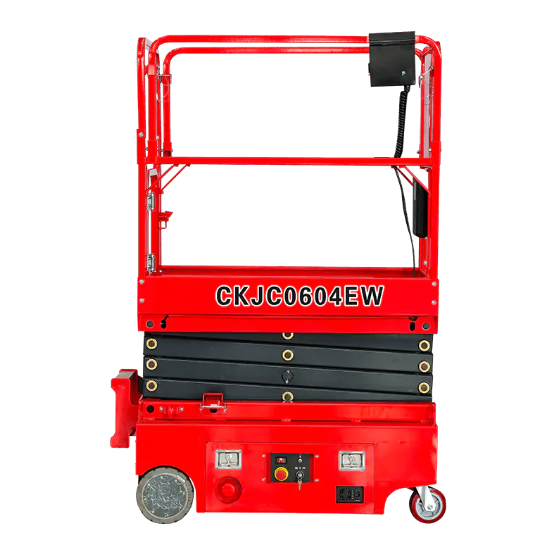
Electric Scissor Lift Platforms are vertically lifting access machines driven by electric motors and battery systems. They use a scissor-like mechanism to raise personnel, tools, and materials straight upward, providing a stable working surface at height.
Compared with engine-driven alternatives, electric models prioritize controlled movement, lower maintenance complexity, and improved environmental compatibility.
| Aspect | Electric Scissor Lift Platforms | Engine-Driven Platforms |
| Power Source | Battery-powered electric motors | Diesel or gasoline engines |
| Emissions | No on-site emissions | Exhaust emissions present |
| Noise Level | Low | High |
Electric scissor lift platforms for indoor use are specifically engineered to operate safely on finished floors, within confined spaces, and around personnel-sensitive environments.
Their smooth acceleration, non-marking tires, and compact footprint reduce the risk of floor damage and workplace disruption.
Electric scissor lift platforms load capacity is one of the most critical parameters for safe operation. Load calculations must account for personnel, tools, materials, and dynamic movement.
| Application Type | Typical Load Requirement | Risk if Undersized |
| Industrial Maintenance | 300–450 kg | Structural fatigue |
| Construction Finishing | 450–680 kg | Instability and safety shutdowns |
Engineering best practices recommend selecting platforms with at least a 20% safety margin above calculated working loads.
Working height selection should reflect not only maximum reach but also frequency of operation at specific elevations. Platform dimensions influence productivity by determining how many operators and tools can work simultaneously.
Battery powered electric scissor lift platforms rely on either lead-acid or lithium-based battery systems. Recent advancements in battery management systems have significantly improved energy efficiency and lifecycle performance.
| Battery Type | Advantages | Considerations |
| Lead-Acid | Lower upfront cost | Longer charging time |
| Lithium | Fast charging, longer lifespan | Higher initial investment |
Market data from 2024 indicates that lithium battery adoption in electric access equipment is growing steadily due to reduced downtime and lower total cost of ownership.
Source: International Energy Agency – Battery Technology Trends
Compact electric scissor lift platforms are designed for narrow aisles, low ceiling clearances, and weight-sensitive floors.
These models are particularly valuable for retrofitting projects and indoor renovations where access constraints are significant.
Modern Electric Scissor Lift Platforms must comply with updated international safety frameworks emphasizing fall protection, overload sensing, and emergency descent systems.
Understanding electric scissor lift platforms maintenance requirements is essential for minimizing downtime and lifecycle costs.
| Maintenance Aspect | Electric Platforms | Hydraulic-Heavy Systems |
| Routine Inspection | Electrical connections, battery health | Hydraulic hoses, fluid leaks |
| Downtime Risk | Lower | Higher |
Electric systems generally require fewer consumables and offer more predictable service intervals.
Yes, when properly specified and maintained, they are designed for high-duty cycles in controlled environments.
They eliminate emissions, reduce noise, and comply more easily with indoor safety regulations.
Sum the weight of operators, tools, materials, and add a minimum safety margin of 20%.
They provide lower operating costs, reduced downtime, and improved energy efficiency.
Daily visual checks and scheduled technical inspections based on usage intensity are recommended.
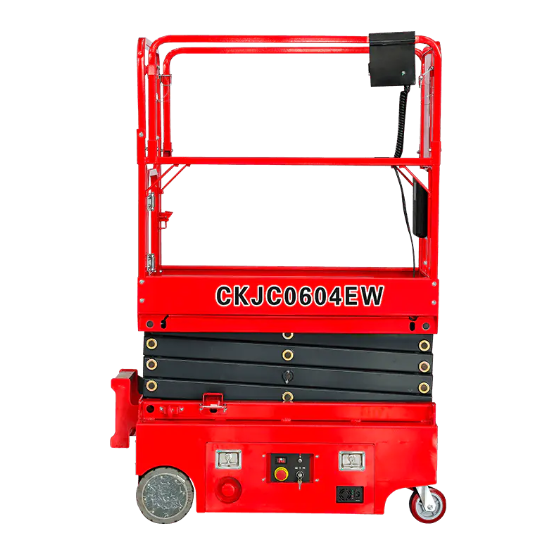
Semi-electric scissor lifts platform are lighter and smaller in size, making it easier for workers to lift or lower the ...
The mini electric mobile scissor lift with universal wheel integrates lifting, walking and operation functions. It adopt...
The CKJC0705EH CKJC0604EH CKJC0503EH mini electric hydraulic steering mobile scissor lift is designed for efficient oper...
The hydraulic self-propelled scissor lift aerial work platform can be easily driven and moved on flat and solid ground a...

