
 English
 Español
 عربى
عربى

Comprehensive Guide to Lift Platform: Types, Functions, and Safety Maintenance
In modern industrial and construction fields, Lift Platform has become an indispensable piece of equipment. Whether it i...

In today’s fast-paced logistics and e-commerce landscape, warehouse efficiency is crucial for business success. Warehouses have evolved from simple storage spaces to dynamic hubs where speed, accuracy, and space optimization are key. One critical technology driving this change is the warehouse order picker forklift, which allows operators to quickly and safely retrieve items from various shelf heights, boosting productivity.
As order volumes increase and delivery deadlines tighten, traditional manual picking methods are becoming inefficient and labor-intensive. Electric and automated order picker forklifts address these challenges by offering mobility, reach, and lifting capacity, enabling efficient and ergonomic picking.
Beyond improving operational efficiency, these forklifts help reduce workplace injuries and integrate seamlessly with warehouse management systems, enhancing inventory tracking, order processing, and stock control.
Modern Warehouse Material Handling Equipment Comparison
| Equipment Type | Typical Use | Load Capacity | Suitable Warehouse Type |
|---|---|---|---|
| Electric Order Picker Forklift | High-level picking | 1,000-2,500 kg | Medium/Large warehouses |
| Pallet Stacker Forklift | Pallet movement | 500-2,000 kg | Narrow aisles |
| Automated Order Picker | Automated picking | 500-1,500 kg | High-density warehouses |
| Sit-down Order Picker Forklift | Operator seated picking | 800-2,000 kg | Medium/high shelves |
This comparison illustrates how different warehouse equipment can be tailored to specific operational needs. By choosing the right combination of forklifts and automated systems, warehouses can optimize their order fulfillment processes and achieve a higher level of operational efficiency.
The evolution of warehouse forklifts reflects the broader trend of technological advancement in material handling. Initially, warehouses relied heavily on manual labor, with workers using hand-operated pallet jacks and simple trolleys to move goods. While effective for small-scale operations, these methods were slow, physically demanding, and limited in terms of reach and load capacity.
The introduction of basic forklifts revolutionized warehouse operations by providing mechanized lifting and transportation capabilities. Early forklifts allowed operators to handle heavier loads and reach higher shelves, reducing the need for manual lifting and minimizing workplace injuries. Over time, manufacturers began developing specialized forklifts designed for order picking, combining vertical reach with operator mobility. This innovation gave rise to the modern order picker forklift, a machine capable of lifting operators to high shelves while allowing them to pick items efficiently and safely.
The advent of electric order picker forklifts marked a significant leap in warehouse efficiency. These machines offered quieter operation, reduced emissions, and lower maintenance compared to traditional internal combustion forklifts. With precise control systems, operators could navigate narrow aisles and high-density storage areas with ease. High reach order picker forklifts further expanded the operational envelope by allowing access to shelves that are several meters above the ground, making them ideal for warehouses with limited floor space but tall storage racks.
More recently, automated order picker forklifts have emerged as a key innovation in modern warehouse design. These systems integrate sensors, laser navigation, and warehouse management software to perform picking tasks with minimal human intervention. Automated forklifts can optimize routes, avoid obstacles, and ensure accurate order fulfillment even in complex warehouse layouts.
Electric Order Picker Forklift
Sit-down Order Picker Forklift
Narrow Aisle Order Picker
Pallet Stacker Forklift
Order Picker Forklift Types Comparison
| Forklift Type | Reach Height | Operator Position | Automation Level | Ideal Warehouse Layout |
|---|---|---|---|---|
| Electric Order Picker | Up to 12 m | Standing | Medium | Medium/High shelves |
| Sit-down Order Picker | Up to 8 m | Seated | Low/Medium | Medium shelves |
| Narrow Aisle Order Picker | Up to 10 m | Standing | Low | Narrow aisle warehouses |
| Pallet Stacker | Up to 6 m | Standing | Low | Compact warehouses |
Each type of forklift offers distinct advantages, and the choice depends on specific warehouse conditions such as aisle width, shelf height, and order volume. By selecting the appropriate forklift type, businesses can improve picking speed, reduce labor costs, and enhance overall warehouse productivity.
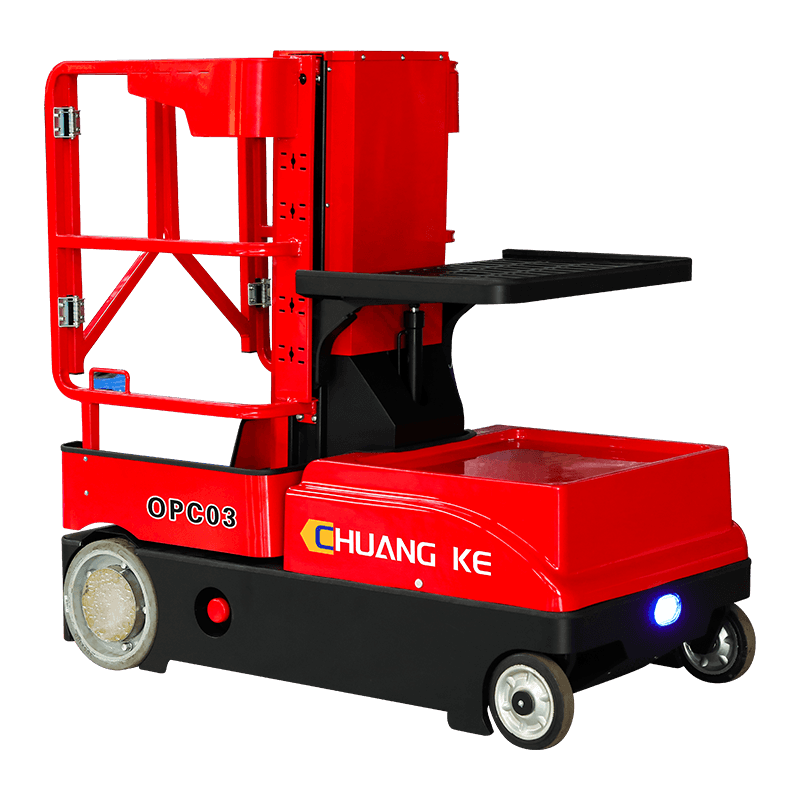
Improved Picking Efficiency: Order picker forklifts allow operators to quickly and safely access high shelves, reducing the time required to complete each order. This is particularly important in high-volume warehouses and fulfillment centers, where speed and accuracy directly impact customer satisfaction.
Reduced Physical Strain on Workers: Traditional manual picking methods often involve lifting, bending, and reaching, leading to fatigue and injuries. With electric order picker forklifts and sit-down order picker forklifts, operators can perform tasks with minimal physical effort, contributing to a safer and healthier work environment.
Enhanced Warehouse Space Utilization: High reach order pickers enable vertical storage, allowing warehouses to store more products without expanding the footprint. Narrow aisle order pickers maximize aisle density, improving storage efficiency in limited space and reducing the need for additional storage facilities, lowering operational costs.
Better Inventory Management: Many models integrate with warehouse management systems, providing real-time tracking of picked items, improving stock accuracy, and ensuring seamless order fulfillment. This integration ensures products are ready for shipping and minimizes the risk of stockouts or order errors.
Long-Term Cost Savings: By speeding up order processing, reducing labor costs, and minimizing product damage, order picker forklifts provide a strong return on investment. For warehouses aiming to optimize operations and meet the growing demands of e-commerce, investing in such equipment is a strategic decision that balances productivity, safety, and cost-effectiveness.
Automation & Sensor Technology:
Energy Efficiency:
IoT Integration:
Safety Technologies:
Technological Features of Modern Order Picker Forklifts
| Feature | Function | Benefits | Typical Model Type |
|---|---|---|---|
| Laser Navigation | Path guidance | Accurate picking, collision avoidance | Automated order picker |
| Load Sensors | Weight detection | Prevents overload, protects goods | Electric order picker |
| IoT Integration | Real-time monitoring | Optimizes warehouse operations | High-tech forklifts |
| Energy Recovery | Regenerative braking | Reduces energy consumption | Electric order picker |
These technological advancements collectively enhance the efficiency, reliability, and safety of warehouse operations. By adopting forklifts with these features, businesses can streamline order fulfillment, reduce operational costs, and maintain a competitive edge in the evolving logistics landscape.
Warehouse Layout:
Order Volume & Picking Frequency:
Operator Comfort & Safety:
Integration with Warehouse Management Systems:
Warehouse Scenarios vs Recommended Forklift Type
| Warehouse Type | Aisle Width | Shelf Height | Recommended Forklift |
|---|---|---|---|
| Medium warehouse | 2.5-3 m | Up to 8 m | Sit-down order picker forklift |
| High-density warehouse | 1.5-2 m | Up to 12 m | Narrow aisle order picker |
| Fulfillment center | 2-3 m | 8-10 m | Automated order picker |
| Small warehouse | 3 m | Up to 6 m | Pallet stacker forklift |
In addition to layout and operational needs, businesses must also consider budget constraints and total cost of ownership. While automated and high-reach forklifts offer superior performance, they come with higher initial costs. Pallet stackers or sit-down order pickers may be more suitable for smaller warehouses with lower vertical storage needs and moderate order volumes. Ultimately, evaluating operational requirements, safety considerations, and financial factors will help businesses select the most appropriate forklift to optimize warehouse performance.
Importance of Safety in Warehouse Operations
Operator Training
Load Handling
Warehouse Layout and Safety
Regular Equipment Maintenance
Selecting the right type of forklift—whether an electric order picker forklift, sit-down order picker, narrow aisle order picker, automated order picker, or pallet stacker—depends on the warehouse’s specific layout, order volume, and operational priorities. Careful consideration of these factors, along with safety, integration with warehouse management systems, and cost of ownership, ensures that businesses can maximize the benefits of their investment.
Technological advancements, including automation, IoT integration, energy-efficient electric systems, and safety innovations, continue to expand the capabilities of order picker forklifts. These innovations not only improve operational efficiency but also enhance workplace safety and sustainability, aligning warehouse practices with modern business and environmental standards.
In modern industrial and construction fields, Lift Platform has become an indispensable piece of equipment. Whether it i...
In today’s fast-paced logistics and e-commerce landscape, warehouse efficiency is crucial for business success. Warehous...
Transforming Warehouse Efficiency and Safety from Above In today's fast-paced logistics and warehousing industry, maximi...
The modern warehouse is a high-stakes environment where efficiency and safety are not just goals—they are the foundation...
This afternoon, an Algerian client delegation visited Zhejiang Wizplus Smart Equipment Ltd. to conduct in-depth discussi...

© 2021 Reserved. Zhejiang Wizplus Smart Equipment Ltd.
Custom Electric Mobile Lift Manufacturers, Suppliers
