
 English
 Español
 عربى
عربى

AM-S06 AM-S75 Self-Propelled Single-Mast Lift Platform
This self-propelled single mast aluminum alloy lift platform is built with high-strength aluminum alloy, offering a ligh...

Content
A maintenance supervisor at a 12,000-square-meter distribution center described a typical morning: replacing fluorescent tubes on 8-meter racks, inspecting mezzanine handrails, and retrieving a fallen carton from a top shelf. Each task used to require a different access solution or a second worker to guide a heavy machine across the floor. An aluminum alloy lifting platform changed that routine. One operator, one machine, ten minutes per task, and no aisle blocked longer than necessary.
Aluminum alloy lifting platforms have moved from a niche tool to a default access solution in warehouses, retail facilities, and industrial plants. But the category covers a wide range of configurations, performance levels, and prices. This article explains what actually differentiates these machines, which specifications deserve close attention, and where the hidden costs tend to appear.
The defining feature of an aluminum alloy lifting platform is the material used for its mast or scissor structure. Aluminum alloys such as 6061-T6 provide a strength-to-weight ratio that allows a 10-meter mast lift to weigh roughly 30-40 percent less than a comparable steel machine.
Less weight means easier movement across a warehouse floor, simpler loading into a service van, and less stress on finished surfaces. Aluminum also develops a protective oxide layer that resists corrosion, so the machine keeps a clean appearance in food processing, pharmaceutical, and cleanroom environments for years.
The trade-off is cost. Aluminum extrusions and fabrication command a higher price than steel, and the gap grows with platform height. For outdoor construction sites where the machine will endure rough handling and impacts, a steel scissor lift is often the more rational choice. For indoor work on smooth floors, the aluminum platform typically pays back its higher purchase price through lower operating effort, fewer floor repairs, and a longer service life.
| Factor | Aluminum Alloy | Steel |
|---|---|---|
| Typical weight (10 m mast) | 600-800 kg | 900-1,200 kg |
| Corrosion resistance | High | Moderate; requires paint or galvanizing |
| Floor impact | Low | Higher |
| Relative purchase price | Higher | Lower |
| Best-fit environment | Indoor, cleanroom, warehouse | Outdoor construction, heavy use |
Every aluminum alloy lifting platform is defined by a few core specifications. Understanding how these numbers relate to real tasks is more important than memorizing them.
Manufacturers commonly advertise working height, which is the platform height plus the approximate height of a standing operator. A lift advertised as a 10-meter working height may have a platform height of only 8.3 meters. Always confirm whether the quoted figure is working height or platform height before comparing models.
The rated load normally includes the operator, tools, and materials. If a platform is rated at 200 kg, a 90 kg operator leaves only 110 kg for tools and parts. Calculate the heaviest combination you will ever place on the platform, and compare that against the rated capacity with a comfort margin.
Self-propelled electric models carry a battery pack and drive motors, so the operator can move the machine without pushing. Semi-electric models use an electric lift motor but require manual movement. In a 2,000-square-meter facility with frequent repositioning, the self-propelled version pays for itself quickly. For occasional tasks in a small backroom, semi-electric keeps the initial cost lower.
Other specifications worth checking:
The most common decision within the aluminum alloy category is between a single-mast platform and a scissor platform.
Single-mast platforms use a telescoping mast to raise a compact work platform directly upward. The base is narrow, often under 80 cm, so it passes through standard single doors and operates in tight aisles. For repetitive tasks like changing lamps, cleaning windows, or accessing high shelving, this is often the most efficient machine available. A self-propelled single-mast platform moves itself into position, raises the mast, and lets one operator complete the task without assistance.
 AM-S06 and AM-S75 Self-Propelled Single-Mast Lift PlatformsThis compact aluminum single-mast lift fits through standard doors and tight aisles, making it ideal for lamp changes, window cleaning, and high-shelf access. Its lightweight frame and safety systems suit repetitive tasks.View Product →
Scissor platforms use crossed members to lift a larger deck. The deck area is significantly bigger, which means more tools, a second worker, or bulky parts can be carried to height. The larger footprint and higher weight are the trade-offs. Scissor platforms also offer a more stable work surface, which matters when the task involves drilling, tightening, or applying lateral force.
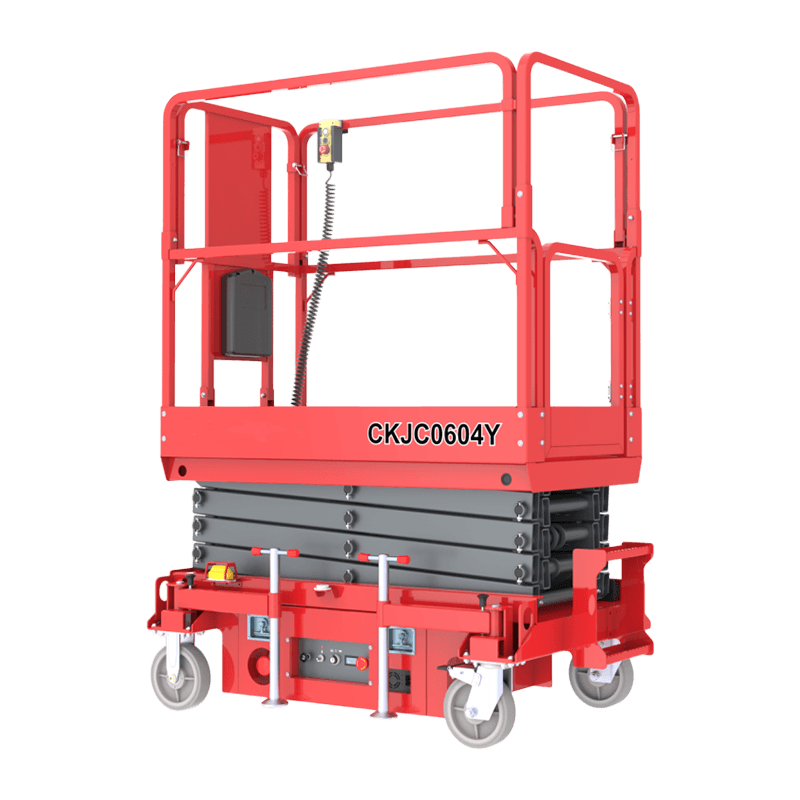 CKJC Series Semi-Electric Scissor Lift PlatformsThese semi-electric scissor lifts offer a larger deck and stable work surface for drilling or lateral-force tasks. Their telescopic platforms and folding guardrails reduce storage space while ensuring safe, reliable lifting.View Product →
The practical rule: if you move frequently between closely spaced tasks in aisles or doorways, choose a single mast. If you need a roomy, stable deck for longer tasks at one position, choose a scissor.
Aluminum alloy lifting platforms are subject to the same machinery safety directives as any other aerial work platform. CE marking covers the European market, while ISO 16368 serves as the international reference for mobile elevating work platforms. These certifications are a baseline, not a differentiator.
The features that actually prevent incidents in daily use include:
Mast stiffness deserves special attention on single-mast designs. A narrow base and a fully extended mast create a long lever arm, and any play in the guide rollers becomes visible as platform sway. Manufacturers that invest in mast stability testing publish deflection figures at full height with rated load applied at the platform edge. If a supplier cannot provide these numbers, treat that as a warning sign.
The application profile of an aluminum alloy lifting platform is shaped by its portability, clean operation, and narrow footprint.
For daily inspection routines, outdoor use limits, and longer-term maintenance guidance, the aluminum alloy lifting platform safety and buying guide covers these topics in detail.
Purchase price varies widely with working height, power type, and build quality. Entry-level semi-electric models are the least expensive but typically lack the battery capacity, drive system, and safety electronics of fully self-propelled machines. As with most industrial equipment, the lowest purchase price is not the lowest total cost over five years.
Three cost factors are frequently underestimated:
If your facility has unusual height requirements, aisle widths, or load patterns, a standard catalog model may not fit. Manufacturers such as Wizpus, which builds both standard and custom lifting platforms, can adapt certified mast and frame designs to specific dimensions without restarting the safety validation process from zero.
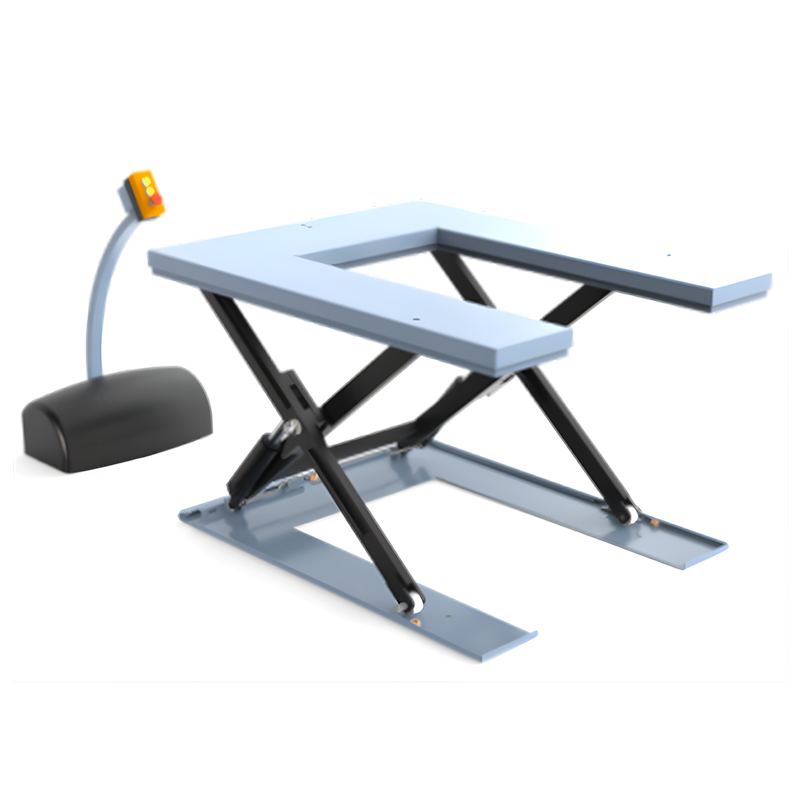 Professional Custom Lifting Platform (0-100000 kg)For unusual height, width, or load requirements, this custom platform adapts certified mast and frame designs to your exact dimensions. It provides heavy-duty lifting solutions with high-precision control and multi-point synchronization.View Product →
What should not change in a custom configuration is the safety certification and testing protocol applied to the standard line. A custom platform that skips stability testing or overload verification is a liability, regardless of how well it fits the floor plan.
An aluminum alloy lifting platform is not one product but a family defined by material, configuration, and working envelope. The right choice matches your ceiling heights, aisle widths, load patterns, and maintenance routines. Start by measuring the physical constraints of your facility, then compare specifications, safety evidence, and after-sales support. When the numbers line up, the machine pays for itself in reduced labor time and fewer accidents, week after week.
This self-propelled single mast aluminum alloy lift platform is built with high-strength aluminum alloy, offering a ligh...
The hydraulic self-propelled scissor lift aerial work platform can be easily driven and moved on flat and solid ground a...
We have a professional team with decades of industry experience. Relying on the continuous in-depth development of the s...
The lifting, movement and steering of the CKOP30 CKOP35 CKOP40 CKOP45 self-propelled full electric high altitude reclaim...

