
 English
 Español
 عربى
عربى

AM-S06 AM-S75 Self-Propelled Single-Mast Lift Platform
This self-propelled single mast aluminum alloy lift platform is built with high-strength aluminum alloy, offering a ligh...

Content
In modern logistics and storage facilities, efficiency and safety are top priorities. A warehouse personnel lift serves as a crucial piece of equipment designed to elevate workers to required heights safely. Unlike traditional ladders, these machines provide a stable platform for tasks such as inventory management, maintenance, and order picking. Facility managers must understand the technical specifications to optimize workflow.
Time is a critical asset in warehouse management. Workers often waste significant time moving and setting up ladders. A dedicated lift allows personnel to move vertically and horizontally with ease. This mobility reduces the time spent on accessing high shelves. Consequently, the overall throughput of the warehouse increases.
Falls from height remain a leading cause of workplace injuries. Using a warehouse personnel lift mitigates these risks significantly. These machines come equipped with guardrails and non-slip platforms. They provide a secure environment for workers, reducing the liability for facility owners.
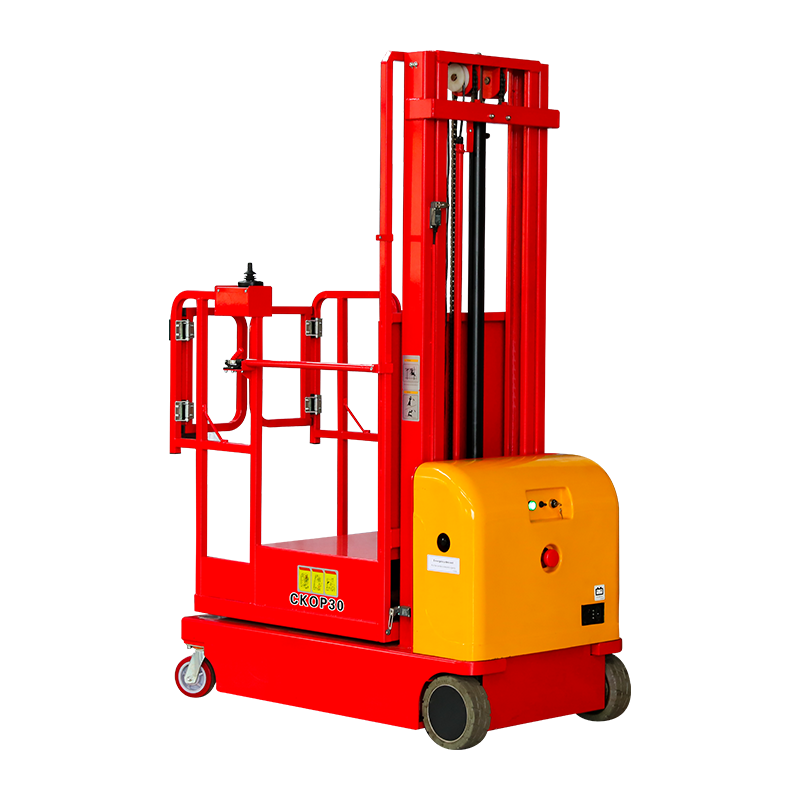
Choosing the right equipment requires knowledge of available options. There are distinct types of lifts for warehouse personnel, each suited for specific environments and tasks. Engineers and procurement officers must evaluate these categories carefully.
Scissor lifts are ideal for tasks requiring heavy lifting and larger platform space. They move vertically and offer excellent stability. Electric models are particularly favored for indoor use due to zero emissions.
These lifts are compact and lightweight. They are perfect for tight spaces where a scissor lift cannot maneuver. Vertical mast lifts usually have a smaller platform but offer significant height reach.
These are manually moved into position and then elevated. They are cost-effective solutions for light maintenance tasks. However, they require a flat surface for safe operation.
The following table compares these common lift types to assist in decision-making:
| Lift Type | Best Application | Typical Height Range | Power Source |
| Electric Scissor Lift | Heavy-duty inventory tasks | 15 - 40 feet | Electric Battery |
| Vertical Mast Lift | Tight aisles, maintenance | 10 - 30 feet | Electric Battery |
| Push-Around Lift | Light maintenance, stock picking | 10 - 20 feet | Manual/Electric |
Selecting the correct personnel lift capacity for warehouse operations is vital for safety and efficiency. Overloading a lift can lead to mechanical failure or tipping. Engineers must calculate the total weight of the operator, tools, and materials.
The rated capacity refers to the maximum weight the lift can support at its highest elevation. Procurement teams should analyze the heaviest possible load for daily tasks. It is advisable to choose a lift with a capacity slightly higher than the maximum calculated load.
The platform size dictates how many workers and tools can fit. A larger platform improves comfort but may restrict movement in narrow aisles. Up and over height is another technical detail to consider. This specification determines if the lift can reach over obstacles like shelving units.
Most warehouse lifts are designed for indoor use on smooth concrete surfaces. If the lift is needed for loading docks or exterior maintenance, tire type and drive power become critical. Rough terrain lifts require four-wheel drive and foam-filled tires.
Adhering to strict warehouse personnel lift safety guidelines is non-negotiable. Regulatory bodies set clear standards to prevent accidents. A comprehensive safety program protects both the workforce and the equipment investment.
Operators must perform a visual inspection before every shift. This check includes looking for hydraulic leaks, tire damage, and loose fittings. The functionality of controls and emergency stop buttons must also be verified.
Only trained and authorized personnel should operate lifts. Training must cover the specific model being used. It should include practical demonstrations and an evaluation of the operator's performance.
Fall protection is a critical component of lift safety. While guardrails are the primary protection, additional systems may be required. The choice of system depends on the lift type and the specific work environment.
The table below outlines common fall protection measures:
| Protection System | Description | Requirement Level |
| Guardrails | Standard barrier on the platform edge | Mandatory for all lifts |
| Personal Fall Arrest | Harness and lanyard connected to the anchor point | Situational/Optional |
| Toe Boards | Prevents tools from falling off the platform | Mandatory for scissor lifts |
An electric personnel lift for warehouse environments offers distinct advantages over internal combustion models. These units produce no exhaust fumes, making them safe for enclosed spaces. They also operate more quietly, which improves communication on the floor.
Electric lifts typically have lower operating costs. Electricity is generally cheaper than fuel. These machines have fewer moving parts, which reduces the frequency of mechanical repairs. The absence of fluids like oil and gasoline also eliminates the risk of spills contaminating warehouse goods.
Regular maintenance extends the lifespan of the equipment. Following these warehouse personnel lift maintenance tips ensures reliability. Proper care starts with the battery. Maintenance teams must check electrolyte levels in lead-acid batteries regularly. They should also keep the battery terminals clean to ensure efficient charging.
Hydraulic systems require periodic checks for leaks and hose condition. Lubrication of moving parts, such as scissor arms and pins, reduces wear and tear. A well-maintained lift operates more smoothly and safely.
Investing in the right lifting equipment is a strategic decision. It impacts productivity, safety, and operational costs. By understanding the different types, capacity requirements, and safety protocols, facility managers can make informed choices. Prioritizing maintenance ensures that these assets continue to deliver value over the long term.
This self-propelled single mast aluminum alloy lift platform is built with high-strength aluminum alloy, offering a ligh...
The hydraulic self-propelled scissor lift aerial work platform can be easily driven and moved on flat and solid ground a...
Semi-electric scissor lifts platform are lighter and smaller in size, making it easier for workers to lift or lower the ...
We have a professional team with decades of industry experience. Relying on the continuous in-depth development of the s...

