
 English
 Español
 عربى
عربى

OPC-03 3M OPC-04 4M Mobile Stock Picker
The 3-meter self-propelled order picker is equipped with a planetary gear transmission motor. Through a high-efficiency,...

Content
Walking the aisles of a busy distribution center, you will see the same bottleneck in almost every facility: operators stretching for cartons on upper racks, balancing on ladders, or skipping a pick entirely because the item is out of comfortable reach. Those workarounds slow down fulfillment, drive up error rates, and put people at risk of falls and muscle strain. A warehouse order picker forklift eliminates this problem by lifting the operator and the picking platform to shelf level, so the person handles the product at a natural working height instead of reaching, climbing, or pulling pallets down to the floor.
The payoff shows up directly in pick accuracy, cycle time, and operator fatigue. That combination is why order pickers have become standard equipment in e-commerce fulfillment, spare-parts distribution, and retail restocking operations.
An order picker forklift is a person-aboard lift truck designed for piece-level picking. Unlike a counterbalance forklift, which keeps the operator at floor level and moves pallets, an order picker raises the operator together with the load platform. The operator drives to the pick location, elevates to the target shelf, selects the required quantity, and places it on the platform before descending.
Order pickers are built for narrow aisles and high-density racking. They are used wherever orders are assembled SKU by SKU rather than pallet by pallet, including e-commerce fulfillment centers, automotive parts depots, and grocery distribution. The load platform is sized for cartons and totes, and the controls are designed so the operator can move the machine from inside the platform without stepping down.
Two power formats dominate the market. Full-electric units drive and steer under motor power, which keeps pick cycles consistent and reduces operator effort over a full shift. Semi-electric units keep the lifting function powered but require manual pushing for travel. The right choice depends on travel distance, picking frequency, and aisle layout.
 OPC-03 and OPC-04 Self-Propelled Mobile Stock PickersThese fully electric order pickers with 3 m and 4 m platforms suit operations needing consistent motorized travel and lifting. One-hand drive, proportional speed control, and safety features reduce fatigue and keep picking cycles efficient.View Product →
For a broader comparison of the common machine classes, see our guide on warehouse order picker forklift types and selection.
Warehouse managers often ask how an order picker differs from a scissor lift or a warehouse high-altitude reclaimer. The answer comes down to three variables: platform height, load handling, and aisle compatibility.
| Parameter | Order Picker | High-Altitude Reclaimer | Scissor Lift |
|---|---|---|---|
| Typical platform height | 3-4 m | 3-4.5 m | 3-16 m |
| Load type | Cartons, totes, picked items | Mixed picking and light restocking | Tools, materials, personnel |
| Aisle compatibility | Narrow; VNA-ready options | Narrow; VNA-ready options | Wide; needs turning space |
| Typical operator position | Standing, person-aboard | Standing, person-aboard | Standing or riding |
The order picker wins for pure piece-picking productivity because the platform is sized for cartons and the controls stay within reach at every height. A high-altitude reclaimer offers the same person-aboard concept with a larger platform and higher rated capacity, which helps when picks include heavier items or partial pallet handling. A scissor lift provides far more vertical reach and a larger deck, but its floor footprint and turning radius make it less efficient for moving repeatedly between aisles.
Before requesting a quotation, align the machine specifications with your actual rack configuration and order profile. These four parameters cause the most mismatches when they are overlooked.
Platform height determines which shelf levels the operator can reach without overstretching. A 3 m platform safely clears shelves up to roughly 2.7 m, while a 4 m platform works to about 3.6 m once reach distance is added. Always measure the highest pick face, not the warehouse ceiling. The Wizplus OPC03 and OPC04 mobile stock pickers cover 3 m and 4 m platform heights, while the CKOP reclaimer line extends to 4.5 m for taller rack layouts.
Order picker platforms carry combined weight from the operator and picked goods. Capacities in the 150-300 kg range are common. If your SKU mix includes heavy items, check the rated capacity at maximum height, because some manufacturers list capacity only at lower positions. Platform depth also matters: a deeper platform holds more totes but may reduce visibility and increase the turning radius.
Full-electric machines are the default for operations where operators travel more than a few dozen meters per pick. Motorized drive keeps cycle times predictable and prevents fatigue from manual pushing. Semi-electric units make sense in compact warehouses with short aisles and low daily pick counts, where the lower purchase price outweighs the extra physical effort.
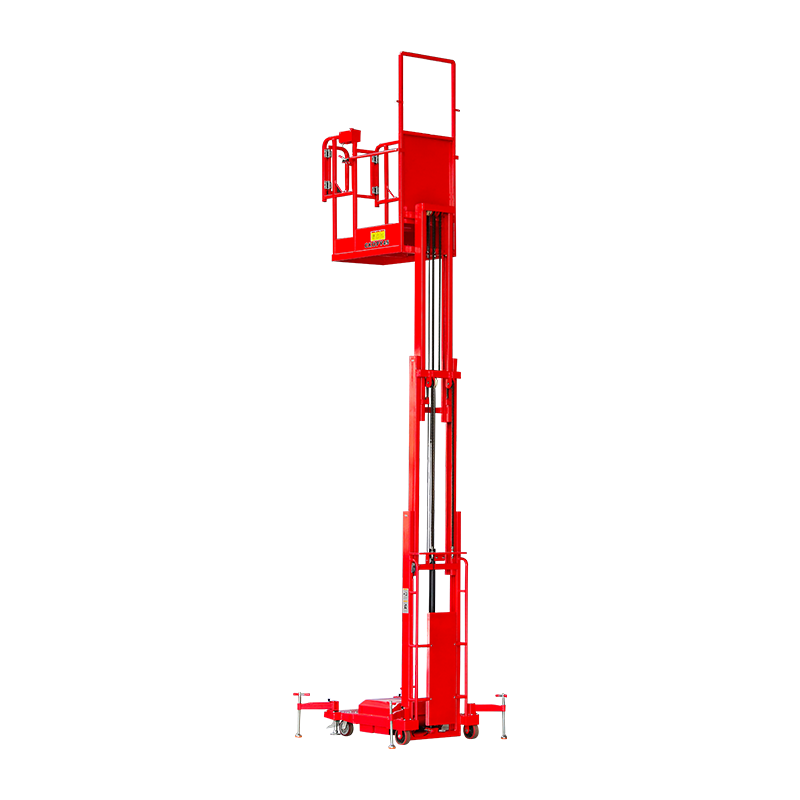 CKOPY27 to CKOPY45 Half-Electric High-Altitude ReclaimersBattery-powered lifting with manual travel makes these lightweight units practical for short-aisle, low-frequency picking. Models from 2.7 m to 4.5 m platform height offer 200 kg capacity and EN280 compliance, fitting compact warehouses.View Product →
The mast is the most stressed component on any order picker. At full extension, an undersized mast can deflect visibly when the load shifts, which affects picking accuracy and operator confidence. Check the manufacturer's stated deflection figures, the mast cross-section, and whether the machine has been certified to ISO or CE standards with rated load at maximum height. Stability comes from the mast design, base width, and the quality of the lifting mechanism, not from the rated height alone.
An order picker changes the operator's working position, so safety engineering carries more weight than on a conventional forklift. Look for these features when evaluating a machine:
Operating discipline matters just as much as hardware. Operators should keep both feet on the platform, avoid leaning over the railing, and never use the platform to push racks or pallets. In very narrow aisle layouts, rail guidance keeps the machine centered, but in unguided aisles, floor flatness and steering accuracy become the limiting factors. For a deeper look at handling practices, review our guide on order picker safety, efficiency, and capacity considerations.
Use this sequence to turn your rack layout and order profile into a shortlist of suitable machines.
For most piece-picking operations, a self-propelled full-electric reclaimer or stock picker in the 3-4.5 m range will cover the majority of rack layouts. Wizplus builds both mobile stock pickers and full-electric high-altitude reclaimers, so the final choice can be matched to your shelf heights, aisle widths, and picking volumes.
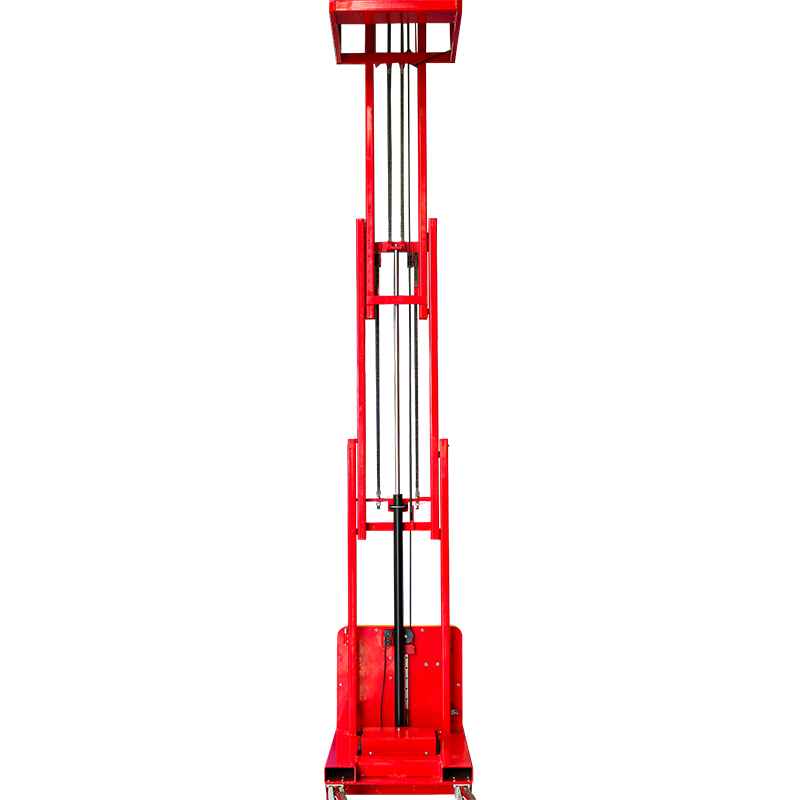 CKOP30 to CKOP45 Self-Propelled Full-Electric High-Altitude ReclaimersFully electric travel, steering, and lifting provide flexible movement with zero turning radius. These 300 kg capacity units adjust speed by platform height, enhancing safety and efficiency for picking in tight warehouse aisles and varied layouts.View Product →
A warehouse order picker forklift is not a one-size-fits-all purchase. Platform height, load capacity, power type, and safety systems must match your rack layout, pick profile, and operator experience. Start with measurable facts: the highest pick face, the narrowest aisle, and the average daily pick count. Those figures will point you to the correct machine class, and the remaining decision narrows down to build quality, mast stability, and after-sales support.
The 3-meter self-propelled order picker is equipped with a planetary gear transmission motor. Through a high-efficiency,...

